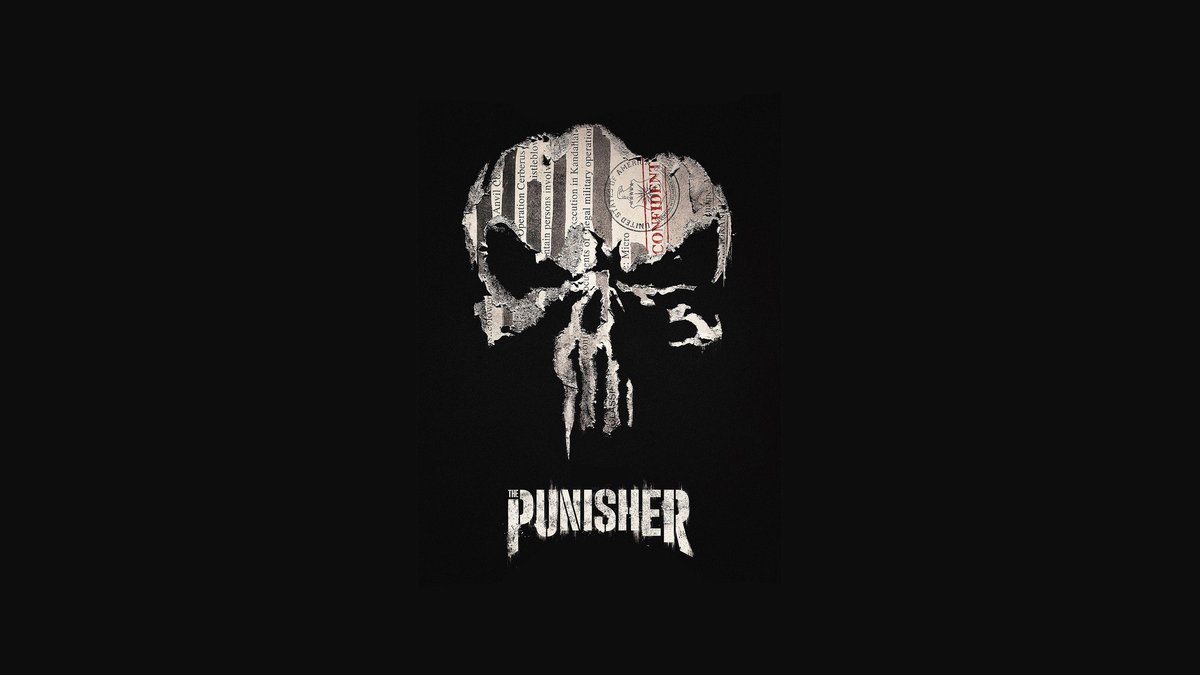
The Punisher’s skull logo isn’t just an emblem; it’s a visceral statement. From its stark debut on the chest of a grieving vigilante to its countless artistic reinterpretations across various media, this iconic symbol has evolved, adapted, and sparked endless creative energy. Tracing the Punisher logo variations from its comic book origins to the expansive world of fan art reveals a fascinating journey of design, symbolism, and cultural impact.
It’s a design that’s deceptively simple yet profoundly powerful, instantly recognizable, and charged with a complex history. Whether you’re a long-time fan, a budding artist, or just curious about the skull's pervasive presence, understanding its lineage and popular adaptations offers a richer appreciation for its enduring appeal.
At a Glance: What You’ll Discover
- The Skull's Origins: How a simple design became a terrifying warning.
- Comic Book Evolution: Stylistic shifts across decades and different artists.
- Media Adaptations: How film, TV, and games interpret the iconic skull.
- The Fan Art Phenomenon: The boundless creativity of artists worldwide.
- Key Design Elements: Deconstructing what makes a skull "Punisher."
- Creating Your Own: Tips for crafting unique Punisher-inspired art.
- Understanding the Symbolism: Why this logo resonates so deeply, and how it’s sometimes misinterpreted.
The Skull's Genesis: A Symbol Forged in Fire
Before it adorned countless t-shirts, tattoos, and digital canvases, the Punisher’s skull was born from tragedy and a thirst for vengeance. Debuting in The Amazing Spider-Man #129 in 1974, Frank Castle, the Punisher, needed a symbol – something terrifying and unambiguous. Writers Gerry Conway and John Romita Sr., along with embellishments from Ross Andru, devised a large, stylized white skull against a dark background.
This wasn't just a cool design; it was a psychological weapon. Frank Castle, a decorated Marine veteran, adopted it to strike fear into the hearts of criminals, a grim reminder of their mortality and his relentless pursuit of justice outside the law. It was stark, unapologetic, and instantly became synonymous with his brutal brand of vigilantism. The original iteration was often a bit crude, hand-drawn, and perfectly captured the raw, unrefined nature of its wearer. It represented death, the ultimate punishment, and a warning to anyone who crossed his path.
Evolution in the Panels: Comic Book Eras and Artistic Interpretations
The Punisher’s skull, while maintaining its core identity, has subtly (and sometimes dramatically) shifted in appearance through different comic book eras and under the pencils of various artists. Each change reflects not only artistic trends but also the character's narrative direction and the sensibilities of the time.
The Classic Era (1970s-1980s): Raw and Unrefined
In its early appearances, the skull was often depicted with a more organic, slightly elongated shape. The teeth were typically defined, but not overly jagged, and the eye sockets were simple, dark voids. This period, featuring titles like Punisher Vol. 2 (1987-1995) and Punisher War Journal Vol. 1 (1988-1995), established the foundational look. Artists focused on the stark contrast and the intimidating presence, often rendering it with thick, confident lines that gave it a somewhat hand-painted feel, reflecting the gritty realism that was emerging in comics.
The Gritty '90s: Exaggeration and Edge
As comics moved into a darker, more extreme aesthetic in the 1990s, so did the Punisher’s logo. Titles like Punisher: War Zone Vol. 1 (1992–1995) and various Punisher Holiday Special issues often showcased a skull with sharper angles, more pronounced teeth (sometimes with gaps or chips), and a generally more aggressive posture. Artists began experimenting with incorporating textures, shadows, and even battle damage, giving the skull a more weathered, battle-hardened appearance that mirrored the era's focus on anti-heroes and hyper-violence. It sometimes looked less like a skeletal face and more like a menacing icon, etched onto combat gear.
The MAX Imprint (2000s): Hyper-Realistic Brutality
When Garth Ennis and Steve Dillon revitalized the character for Marvel's mature-readers MAX imprint, the logo evolved again. In series like Punisher Max (2010-2012) and Punisher Presents: Barracuda MAX (2007), the skull often leaned into hyper-realism. It looked less like a drawing and more like an actual, battle-scarred skull, often rendered with intricate cracks, bone details, and an almost tactile texture. The eye sockets might be deeper, the teeth more menacingly defined, and the overall effect was one of grim, unyielding death, perfectly complementing the brutal, no-holds-barred storytelling of the MAX universe.
Modern & Reboots: Maintaining Core Identity with Nuance
Recent runs, including Punisher - Noir (Marvel) and Punisher - The Platoon (Marvel), often see artists returning to a slightly cleaner, yet still imposing, skull. While incorporating contemporary art styles, they typically retain the core elements of the classic design—wide eye sockets, defined nasal cavity, and a row of teeth. Modern interpretations might play with slight asymmetries, subtler damage, or more dynamic angles, but the essence remains: a terrifying, unambiguous symbol of Frank Castle’s mission. The focus is often on clarity and impact, ensuring the skull translates well across different mediums and merchandises.
2099 & Alternate Realities: Thematic Adaptations
The Punisher's skull isn't confined to a single timeline. In series like Punisher 2099 (1993-1995), the logo takes on a futuristic, almost mechanical appearance, sometimes integrated into advanced armor or rendered with sharp, cybernetic lines. In other limited series like 5 Ronin (2011) or Punisher Kills the Marvel Universe (1995), artists adapt the skull to fit the alternate reality's theme, proving its versatility and power to transcend specific contexts while retaining its core meaning. These variations showcase how adaptable the skull truly is, acting as a canvas for genre-specific reimagination.
Beyond the Pages: Media Adaptations and Their Skull Styles
The Punisher’s skull is so potent that it naturally translates to other forms of media, each offering a distinct take on its design and how it's integrated into the character's persona. From the big screen to gaming consoles, the skull has found new ways to terrify and symbolize.
Film Adaptations: From Subtlety to Starkness
Each live-action film portrayal of Frank Castle has brought its own interpretation of the skull:
- Dolph Lundgren (1989): The earliest film version saw the skull notably absent from his chest, instead appearing subtly on the handles of his knives. This was a more subdued approach, perhaps due to budget or a different artistic vision for the character’s introduction.
- Thomas Jane (2004): This film leaned into a grittier, more homemade aesthetic. The skull, hand-painted on his tactical vest, looked somewhat rough and imperfect, reflecting Frank's raw, personal vendetta. It was a tangible, battle-worn symbol, feeling authentic to a man operating outside professional military support.
- Ray Stevenson (2008's Punisher: War Zone): Matching the over-the-top violence of its comic namesake, this film featured a large, stark white skull. It was bold, clean, and aggressively prominent, signaling the Punisher's unyielding and theatrical brutality. This was a skull that made a statement without subtlety.
- Jon Bernthal (Netflix's Daredevil and The Punisher): Perhaps the most critically acclaimed live-action portrayal, Bernthal's Punisher started with a more faded, almost ghost-like skull on a tactical vest beneath other gear, gradually becoming more prominent as his identity solidified. It was a grounded, tactical interpretation that felt earned and subtly integrated into his military past. This version's skull was often distressed, appearing as if it had seen countless battles, a stark visual representation of his enduring trauma and mission.
Video Games: Stylized vs. Realistic
Video games provide an interactive canvas for the Punisher skull, often balancing stylistic choices with practical gameplay needs:
- Arcade & Early Console Games: Often featured more stylized, almost cartoonish skulls, limited by the graphical capabilities of the time. These versions emphasized clarity and iconic representation over realism, making the skull instantly recognizable in pixelated form.
- Modern Titles (e.g., The Punisher 2005): With advancements in graphics, games could offer highly detailed and often realistic skulls, sometimes with customizable armor that allowed players to see the skull in various textures or states of damage. These versions often incorporate environmental elements, like blood splatters or grime, making the skull feel truly part of the brutal world Frank inhabits. The skull might even reflect light differently depending on the material, adding to its visual impact.
The Fan Art Phenomenon: Where Creativity Knows No Bounds
The Punisher skull's inherent coolness and symbolic weight make it a magnet for fan artists. On platforms like Pinterest, you'll find an explosion of Punisher fan art inspiration, showcasing how creators take the core concept and twist it into myriad forms. This democratic space allows for incredible innovation and personal expression, going far beyond official comic or media adaptations.
Stylistic Renditions: From Cartoonish to Abstract
Fan artists embrace a vast spectrum of styles:
- Cartoonish & Chibi: Simplifying the skull to its most basic, adorable (yet still menacing) elements. This lighter take often appeals to a different aesthetic while still clearly referencing the source.
- Photorealistic: hyper-detailed renderings that look like actual human skulls, sometimes with intricate shading, textures, and even forensic accuracy. These pieces often blur the line between fan art and anatomical study.
- Minimalist: Reducing the skull to just a few lines or shapes, relying on negative space and strong design principles to convey the essence of the logo. This approach emphasizes the skull's fundamental recognizability.
- Abstract & Geometric: Deconstructing the skull into fragmented shapes, bold colors, or complex patterns, reimagining its form while retaining its symbolic punch. This often pushes the boundaries of what the skull can be, turning it into a piece of fine art.
Thematic Mashups: Crossovers and Cultural Blends
One of the most exciting aspects of fan art is the mashup, where the Punisher skull becomes a chameleon, adapting to other universes or cultural aesthetics:
- Military Crossovers: Blending the skull with real-world military insignias, unit patches, or tactical gear, emphasizing Frank Castle's background. Artists might fuse it with elements of the Marine Corps emblem or Special Forces logos, creating a powerful synergy.
- Pop Culture Blends: Imagine a Punisher skull integrated into Batman’s cowl, a Mandalorian helmet, or even a Pokémon design. These unexpected combinations highlight the skull's versatility and the artist's ingenuity. You might see a skull with Jedi robes or cyberpunk enhancements, pushing the character into new narrative territories.
- Historical & Mythological Infusions: Artists might re-envision the Punisher as a samurai, a Viking warrior, or a knight, adapting the skull to fit ancient armor, tribal tattoos, or medieval weaponry. This demonstrates how the core concept of a skull symbol for vengeance is universal.
Personalization and Expression: More Than Just a Copy
Fan art isn't just about replication; it's about individual interpretation. People incorporate the skull into:
- Tattoos: Personalizing the design with unique flourishes, backgrounds, or stylistic choices. A tattoo is a permanent statement, and the Punisher skull offers a powerful symbol for many.
- Custom Gear: Painting it on helmets, customizing tactical vests, or designing unique patches for airsoft or cosplay. These applications bring the skull into the physical world in a very personal way.
- Digital Creations: Using software to create intricate digital paintings, 3D models, or even animated shorts featuring their unique take on the skull. The digital realm offers limitless possibilities for experimentation with light, texture, and movement.
Ethical Considerations & Misinterpretations: The Symbol's Double Edge
While the Punisher skull is a powerful fictional symbol, its real-world usage has become complex and, at times, controversial. Originally intended by its creators as the mark of a vengeful anti-hero, it has been appropriated by various groups, including some police and military personnel, and even extremist organizations.
This appropriation often strips the symbol of its narrative context—that of a broken man operating outside the law, killing criminals because the system has failed. When worn by those within law enforcement or military structures, it can be seen as advocating for extrajudicial punishment or a disregard for established legal processes, directly contradicting the very systems they are sworn to uphold. It's a stark reminder that symbols, once released into the public consciousness, can take on meanings far beyond their original intent. As creators, we must appreciate the artistic freedom, but also be aware of the gravity and potential for misinterpretation inherent in such potent imagery.
Deconstructing the Skull: Key Elements and Artistic Decisions
Understanding the variations of the Punisher skull involves breaking down its core components. Each element offers an opportunity for an artist to put their unique spin on the classic design.
The Eyes: Empty Sockets vs. Piercing Gaze
- Empty Sockets: The most traditional depiction. These dark, cavernous voids emphasize death, emptiness, and the merciless nature of the Punisher. They convey a sense of a soulless entity, driven by an unyielding purpose.
- Red Glow/Fiery Eyes: A popular fan art variation, especially for a more supernatural or demonic Punisher. This adds an element of infernal power, rage, or a supernatural edge, making the skull appear alive and actively menacing.
The Teeth: Gritted, Gaping, or Missing
- Gritted Teeth: Often seen in aggressive depictions, suggesting a skull that’s actively snarling or bearing down, ready to inflict pain. This conveys intensity and resolve.
- Gapped/Broken Teeth: Adds a layer of realism and battle damage, indicating that the skull—and by extension, the Punisher—has been through hell. It tells a story of survival and endurance.
- Exaggerated Teeth: Sometimes artists draw more teeth than a typical human skull, or make them disproportionately large and sharp, to enhance the monstrous or predatory feel.
- Missing Teeth: A simpler, often more stark approach that can emphasize decay or a grim emptiness.
Cracks and Damage: Battle-Worn vs. Pristine
- Battle-Worn Cracks: Veins of fracture across the skull, suggestive of past conflicts and resilience. This adds character and history, making the symbol feel lived-in and earned. It implies the skull itself has been through punishment.
- Bullet Holes/Scars: More explicit damage, often indicating specific violent encounters. These details can tell a direct story about the Punisher’s past struggles.
- Pristine White: A clean, unblemished skull conveys a sense of clinical precision, an almost ethereal representation of death, or a fresh, unwavering resolve. It's a stark, unambiguous statement.
Proportion and Shape: Elongated, Squat, or Realistic
- Elongated/Narrow: Can make the skull appear more menacing, gaunt, or almost alien, emphasizing a predatory quality.
- Squat/Wide: A broader, more compact skull can feel heavier, more brutal, or even more cartoonish depending on the overall style.
- Realistic Human Skull: Some artists aim for anatomical accuracy, creating a skull that could belong to a real person, grounding the symbol in grim reality.
- Stylized/Exaggerated: Most comic and fan art skulls are a stylized take, not perfectly anatomical but visually impactful. The key is finding the right balance of exaggeration to convey the desired emotion or message.
Coloration: Classic, Metallic, or Thematic
- Classic White on Black: The definitive look, high contrast, immediately recognizable. This simplicity is its power.
- Metallic/Chrome: Gives the skull a futuristic, robotic, or armored look, often used in sci-fi themed fan art. This adds a sense of invulnerability or advanced tech.
- Subdued/Grayscale: A muted palette can emphasize a somber, realistic, or stealthy aspect of the Punisher. It grounds the skull in a more tactical context.
- Thematic Colors: Adapting colors to match a specific crossover (e.g., green for Hulk-Punisher, red and gold for Iron Man-Punisher) or an abstract artistic concept.
Contextual Elements: Integrated Weapons, Backgrounds, Armor
- Weapons: Incorporating firearms, knives, or grenades within or around the skull itself. For example, crossbones might be replaced with rifles.
- Armor/Gear: The skull might be depicted as part of a helmet, breastplate, or a larger suit of tactical armor.
- Backgrounds: Using environmental elements, explosions, or character poses to frame the skull and enhance its impact. A skull against a backdrop of urban decay or a fiery inferno tells a story.
Crafting Your Own Punisher Skull: A Guide for Fan Artists
Feeling inspired to create your own Punisher skull variation? Here’s a framework to help you navigate the creative process and ensure your art makes a statement.
Understand the Core Symbolism
Before you even sketch, remember what the skull represents: vengeance, death, a warning, and an uncompromising, brutal form of justice. Your variations should ideally echo these themes, even if subtly. Consider what aspect of the Punisher you want to emphasize in your art: his tactical efficiency, his raw rage, or his tragic origins.
Choose Your Style and Medium
- Realistic vs. Stylized: Do you want it to look like a forensic drawing, or a bold graphic icon?
- Cartoon vs. Gritty: Will it be lighthearted, or steeped in dark realism?
- Digital vs. Traditional: Are you painting on a canvas, drawing with pencils, or manipulating pixels in Photoshop? Each medium has its strengths and limitations that will influence your design.
- 3D vs. 2D: Are you creating a sculpture, a game asset, or a flat illustration?
Experiment with Key Elements
This is where the fun truly begins. Play with the deconstructed elements we discussed:
- Eyes: Try different levels of emptiness, glow effects, or even hints of pupils for a more "alive" menace.
- Teeth: Sketch various patterns—jagged, broken, overly sharp, or even a single prominent fang.
- Cracks: Think about the skull’s history. Is it newly painted, or has it survived a hundred battles? Map out where cracks, chips, or bullet holes might realistically (or stylistically) appear.
- Shape: Don’t be afraid to distort the skull slightly. Elongate it for a more gothic feel, or broaden it for a stronger, more imposing presence.
- Color: Beyond white, what colors evoke the mood you’re going for? A red skull on black? A metallic sheen? Neon colors for a cyberpunk theme?
Consider the Context and Narrative
- Character Integration: How does your skull variation tie into Frank Castle himself? Does it look like something he would actually wear, or is it a conceptual piece?
- Storytelling: Can your skull tell a story on its own? A skull integrated into a broken shield might imply a fall from grace. A skull with tech wires could signify an evolution.
- Mashups: If you’re doing a crossover, how does the skull harmonize with the other character's aesthetic? It shouldn't just be slapped on; it should feel like a true fusion.
Be Mindful of Interpretation
While artistic freedom is paramount, remember the skull's real-world history of misinterpretation. If you intend for your art to be purely fictional, consider elements that clearly delineate it from real-world political or social statements. Your art can be powerful without being controversial by being clear about its source and intent. A skull integrated into a vibrant, fantastical setting is less likely to be misinterpreted than one placed on realistic tactical gear without context.
Common Questions About the Punisher Logo
The enduring popularity of the Punisher skull naturally leads to a lot of questions. Here are some of the most frequent ones, answered directly.
Who created the original Punisher logo?
The iconic skull logo was designed by John Romita Sr., with contributions and initial conceptualization by writer Gerry Conway and artist Ross Andru. It first appeared in The Amazing Spider-Man #129 in 1974. Romita Sr. simplified Andru's initial sketches to create the stark, memorable emblem we know today, emphasizing its visual impact and terrifying simplicity.
Does the Punisher logo ever change in the comics?
Yes, absolutely. While the core "skull" concept remains, the specific depiction of the logo changes frequently depending on the artist, the era, and the comic series. As discussed, the logo has evolved from the somewhat raw, hand-drawn look of the 70s and 80s to the grittier, more detailed versions of the 90s, the hyper-realistic MAX imprint, and various futuristic or alternate reality takes. Each artist brings their own stylistic interpretation, making subtle tweaks to the teeth, eye sockets, and overall shape, all while maintaining its fundamental recognizability.
Why is the Punisher skull so popular?
Its popularity stems from several factors:
- Simplicity and Impact: It's a universally understood symbol of death and fear, made even more potent by its stark white-on-black contrast.
- Rebellious Iconography: It represents defiance against corruption and a refusal to compromise, appealing to those who feel let down by traditional systems.
- Frank Castle's Persona: The character himself is a tragic figure driven by extreme circumstances, making his symbol resonate with themes of loss, revenge, and unyielding resolve.
- Versatility: The skull is easy to reproduce, adapt, and integrate into various designs, making it ideal for fan art, merchandise, and personal expression.
- Timeless Appeal: The concept of a skull as a warning or a symbol of mortality is timeless across cultures.
What are some common misinterpretations of the logo?
The most common and controversial misinterpretation is its adoption by real-world groups, particularly some law enforcement, military personnel, and even far-right or extremist organizations. When used by these groups, the skull is often seen as advocating for extrajudicial action, excessive force, or vigilantism, directly contradicting the rule of law. This runs contrary to the Punisher's original intent as a character who operates outside and against a failed legal system, rather than as an endorsement for those sworn to uphold it. Creator Gerry Conway himself has spoken out against such uses, emphasizing that the Punisher is a tragic figure, not a role model for ethical conduct.
The Enduring Legacy of a Grieving Skull
The Punisher’s skull logo is a testament to the power of visual storytelling. It’s transcended its comic book panels to become a cultural touchstone, constantly reinterpreted and reimagined by artists and fans alike. From its humble origins as a grim warning to its multifaceted presence in fan art, the skull remains a potent symbol of vengeance, justice, and the dark consequences of a broken world.
Whether you're admiring a classic comic panel or marveling at an innovative fan creation, take a moment to appreciate the journey of this iconic emblem. Its variations are not just artistic flourishes; they are reflections of our evolving understanding of Frank Castle and the complex themes he represents. So go forth, explore the myriad depictions, and perhaps even create your own—just remember the weight and history behind every line and shadow.