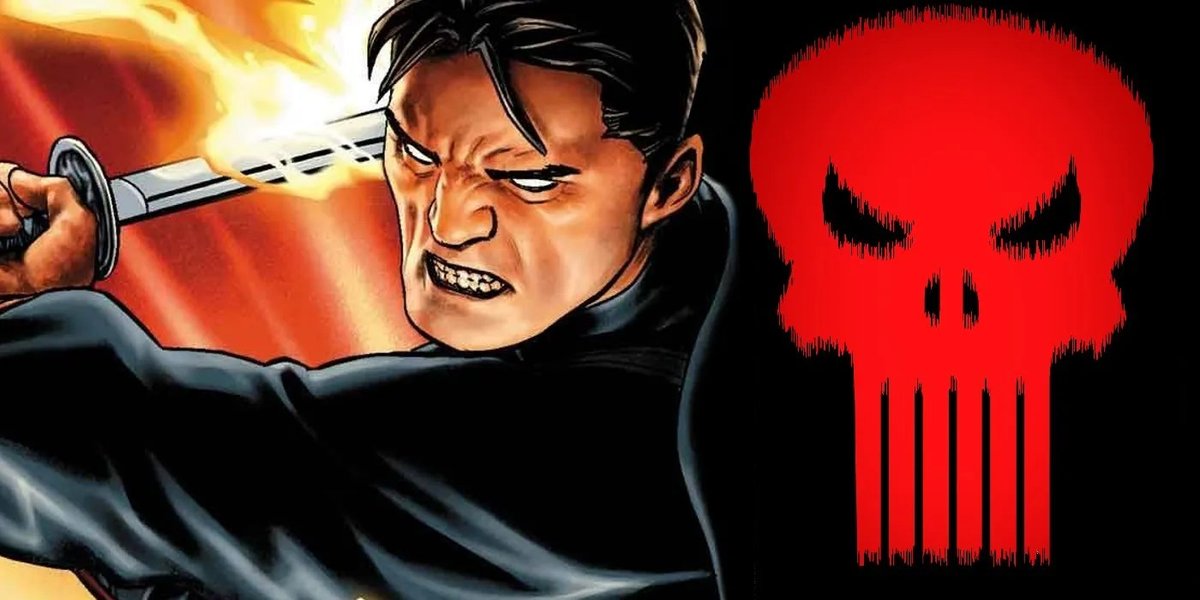
The Punisher. Say the name, and immediately a stark, white skull logo flashes to mind. It's more than just a symbol; it's a declaration, a warning, and, for many, a deeply controversial emblem. From comic book pages to military helmets and police cars, The Punisher Skull Logo: Origin & Comic Book History tells a complex tale of vigilantism, grief, and appropriation. Understanding its true roots in the Marvel Universe and its contentious journey into the real world is crucial to grasping its profound, often misunderstood, power.
At a Glance: The Punisher Skull's Journey
- Born in Battle: The skull first appeared during Frank Castle's Vietnam service as a battlefield talisman, intended to instill fear and grim determination.
- A Vigilante's Calling Card: After his family's murder, the skull became Frank Castle's iconic calling card as The Punisher, signifying his lethal war on crime.
- Evolving Origins: Across different comics and adaptations (movies, TV), the skull's origin has been retold, from a demonic pact to a son's gift or a tactical design.
- Real-World Appropriation: The logo has been controversially adopted by military personnel, law enforcement, and "Blue Lives Matter" groups, sparking widespread debate.
- Creator's Condemnation: Punisher creator Gerry Conway views the appropriation as a fundamental misunderstanding of the character, emphasizing the Punisher as a symbol of system failure, not authority.
- Marvel's Response: Marvel Comics has actively revamped the logo and taken steps to distance it from real-world political and law enforcement uses.
- Symbol of Grief, Not Glory: At its core, the skull represents Frank Castle's profound, unresolved grief and his war against a system that failed him, making it a symbol of brokenness rather than strength or righteous authority.
The Man Behind the Symbol: Who is Frank Castle?
Before we deconstruct the skull, we must understand the man who wears it. Frank Castle isn't your typical superhero. He doesn't have powers, fly, or wield a magical hammer. Instead, he's a highly trained former U.S. Special Forces member, a veteran forged in the crucible of war. His world, however, was shattered one sunny afternoon in a park.
Witnessing his wife and children gunned down in a mob crossfire, Frank Castle's world became an abyss of grief and rage. The justice system failed him, unable or unwilling to bring his family's killers to account. This catastrophic failure transformed him into The Punisher – a one-man army dedicated to waging a brutal, lethal war on criminals. His methods are uncompromising, often crossing moral lines that no traditional hero would dare approach. Frank operates by his own code: "the wrong thing for the right reasons," believing that only through absolute force can true justice be delivered to the wicked.
The Original Sin: Skull's Birth in Vietnam
The iconic Punisher skull wasn't born in the gritty alleys of New York City; its genesis lies in the muddy, blood-soaked battlefields of the Vietnam War. In the original comic book lore, Frank Castle's military experience shaped him profoundly, instilling not just combat prowess but also a certain grim worldview.
During his tours in Vietnam, the skull first appeared as a battlefield talisman. Frank, already showing signs of a darker inclination, would paint the skull onto his uniform. Its purpose was chillingly pragmatic: to intimidate the enemy and steel his own men for the grim task of fighting and killing. It symbolized holding an enemy's skull, a deeply disrespectful act in many cultures, signifying total dominance and a willingness to take life. For Frank, it was a subtle hint at the grim satisfaction he derived from dispatching those he deemed evil, even back then.
Upon his return and subsequent transformation into The Punisher, this potent symbol was resurrected. The skull, emblazoned stark white on his black uniform, became his calling card, his personal ensign in his one-man war. It wasn't just a mask; it was a psychological weapon, a harbinger of violence that served as a clear warning: The Punisher was here, and only criminals were his targets. This symbol, in its purest comic book form, is directly tied to his military past and his deeply personal mission, an extension of his own violent ideology.
Shifting Shapes: Alternate Origins & Interpretations Across Media
While the Vietnam origin remains the most recognized, the Punisher skull has taken on fascinating, sometimes dark, new dimensions across various comic continuities and adaptations. Each retelling offers a unique lens into Frank Castle's psyche and the symbol's evolving meaning.
A Demonic Pact and a Son's Gift
In some darker comic narratives, the skull's origin veers into the supernatural. Frank reportedly made a deal with the demon Olivier, who protected him during the war but then orchestrated his family's death to bind him to a life of vengeance. In this version, the skull represents Olivier's demonic face, a constant, horrifying reminder of his pact and the infernal forces driving his crusade. This interpretation imbues the skull with a supernatural weight, suggesting Frank's path was predestined by more than just human tragedy.
The 2004 Punisher movie, starring Thomas Jane, offered a more poignant, personal origin. Here, the skull isn't a battlefield relic but a skull T-shirt gifted to Frank by his youngest son, Will. After his family's murder, the shirt becomes a sacred memorial, a tangible link to the love he lost. Frank spray-paints the skull onto his body armor, transforming a symbol of familial affection into a shield and a monument to his grief. This version grounds the skull deeply in Frank's personal loss, making it a constant, heartbreaking reminder of why he punishes.
Netflix's Tactical Iconography
The critically acclaimed Netflix Punisher series (and Daredevil Season 2, which introduced him) brought yet another practical, yet symbolic, origin to the forefront. Jon Bernthal's Frank Castle is seen examining his bulletproof vest, noticing a distinct, natural skull-shaped outline formed by the plates and seams. Later, after studying his own skull's X-ray, he paints this natural outline white onto his black tactical gear. This rendition emphasizes Frank's tactical mind and meticulousness. It’s a design born of observation and purpose, transforming a defensive item into an offensive declaration. It’s a modern, grounded interpretation that reinforces his status as a master tactician who turns everything into a weapon or a message. You can explore the origins and evolving interpretations of the famous skull emblem to see how consistently the symbol resonates.
Mutating Across the Multiverse
Within the sprawling Marvel lore, the skull isn't just a logo; it's practically a living entity. In some storylines, it has mutated into a cult insignia for villainous organizations like The Hand, signifying their own brutal ideology. In wilder alternate universes, Frank Castle literally becomes the skull, such as in his horrifying transformation into the Cosmic Ghost Rider, where his head is a flaming skull and the Punisher symbol is etched into his very being, blending cosmic power with his relentless drive for vengeance. These variations demonstrate the skull's powerful, adaptable iconography, capable of transcending mere costume design to become a fundamental aspect of Frank Castle's identity across the multiverse.
The Skull in the Real World: A Symbol Co-Opted and Contested
The Punisher skull's journey hasn't been confined to comic panels and movie screens. Its striking design and Frank Castle's uncompromising ethos have resonated deeply with certain groups in the real world, leading to widespread adoption and, subsequently, significant controversy.
From Battlefield to Blue Line: Military and Law Enforcement Appropriation
The logo's earliest real-world appropriation began with U.S. military personnel, particularly during the Iraq War. Soldiers, often Special Forces operators, identified with Frank Castle's military background, his dedication to his comrades, and his unwavering mission against an enemy perceived as evil. U.S. Navy SEAL sniper Chris Kyle, famed as the "American Sniper," was a notable adopter, emblazoning the skull on his gear. For many, it symbolized a "no mercy" policy against insurgents, a raw, uncompromising approach to combat.
This trend soon spread to law enforcement. Police officers, particularly those facing high-stakes situations or feeling unsupported, began displaying the skull. In 2004, a group of police officers even formed "The Punishers," a vigilante-style motorcycle club that blurred lines between upholding the law and taking matters into their own hands. Later, the "Blue Lives Matter" movement, asserting solidarity and support for police, frequently incorporated the symbol. Placing the skull on police cruisers, uniforms, or protest signs was meant to convey a "take any means necessary" approach to safety and justice, signaling an unyielding stance against crime.
The Creator's Outcry: Gerry Conway on Misunderstanding the Punisher
The widespread adoption by organizations of authority figures sparked intense public backlash, especially amid rising awareness of police brutality and accountability issues. No one was more critical of this appropriation than Punisher creator Gerry Conway himself.
Conway has vocally and consistently condemned the use of the skull by the military and law enforcement. He views it as a profound and dangerous misunderstanding of the character he co-created. "The Punisher is not a symbol of the justice system," Conway stated pointedly in interviews. "He is a symbol of the failure of the justice system."
Conway argues that Frank Castle became The Punisher precisely because law enforcement and the military failed to protect his family. Frank is an outlaw, a vigilante who operates outside the system, often targeting that very system when it proves corrupt or inept. "The Punisher kills corrupt cops," Conway emphasized. "He is designed to indict corrupt institutions, not to endorse them." For Conway, the skull's appropriation by groups with histories of authority abuse – particularly against marginalized communities – is a glorification of violence disconnected from the character's core narrative. It transforms a symbol of society's brokenness into one of assumed righteous power, a perversion of its original meaning. To dive deeper into the full story behind the Punisher skull, it's essential to grasp this distinction.
Marvel's Response: Reclaiming the Narrative
In response to the growing controversy and criticism, Marvel Comics has taken steps to address the skull's appropriation. While they haven't erased the symbol entirely, they have actively worked to disassociate it from real-world political movements and law enforcement.
This has manifested in several ways:
- Revamped Logo Designs: Newer comic runs have subtly altered the skull's design, making it less stark and sometimes more abstract, subtly differentiating it from the widely co-opted version.
- Explicit Storylines: Some comics have included narratives where Frank Castle himself condemns those who wear his symbol while serving in corrupt systems, directly countering the "Punisher as a cop" misinterpretation.
- Public Statements: Marvel and its creators have issued statements clarifying the character's intent and expressing disapproval of unauthorized, real-world usage.
These efforts reflect an attempt by Marvel to reclaim the narrative of their character, reinforcing that The Punisher is a complex, tragic anti-hero, not an endorsement of unchecked authority or brutal force, especially when wielded by those meant to uphold the law. For more comprehensive insights into the iconic Punisher skull logo, understanding these company decisions is key.
More Than Just a Face: Deconstructing the Skull's Enduring Power
So, why has this skull, despite its controversial nature, resonated so powerfully for so long? Its enduring power lies in its raw, primal symbolism and its connection to fundamental human experiences.
- Primal Fear: The skull is a universal symbol of death, mortality, and the end of all things. It evokes an innate, primal fear, making it an incredibly effective psychological weapon, exactly as Frank intended it.
- Uncompromising Resolve: The stark white on black, the wide empty eyes – it conveys an unyielding, relentless resolve. There's no negotiation, no compromise, only the inevitable. This resonates with a desire for absolute justice, particularly when systems are perceived as failing.
- Anonymity & Universality: While tied to Frank Castle, the skull is also anonymous. It could be anyone's skull. This universality allows it to be adopted as a symbol for various causes, for better or worse, because it lacks specific human features, becoming a blank canvas for projected ideals.
- Rebellion Against Systemic Failure: At its heart, for Frank, the skull symbolizes his total rebellion against a system that failed to protect him and his family. It represents taking justice into one's own hands when all other avenues are closed. This speaks to a deep-seated frustration many feel with slow, imperfect legal systems.
Beyond the Violence: What the Punisher Skull Isn't
Given the controversies, it's vital to clarify what the Punisher skull, in its true comic book context, is not.
- It's not a symbol of law enforcement. As Gerry Conway emphatically states, Frank Castle operates outside and against the law when it fails. He does not represent police, military, or any form of authorized state power.
- It's not an endorsement of heroism. Frank Castle is an anti-hero. He is driven by pain and vengeance, not altruism. His methods are brutal, and he is often portrayed as damaged, not aspirational.
- It's not a badge of honor for casual violence. The violence The Punisher commits is born from unimaginable grief and trauma. It's a last resort, a desperate measure, not a celebration of force for its own sake.
- It's not a simplistic emblem of "good vs. evil." The Punisher often grapples with the morality of his actions. While he targets criminals, the line he crosses makes him a deeply morally ambiguous figure, representing the dark consequences of unchecked vengeance.
The Weight of the Skull: A Legacy of Grief, Not Glory
Ultimately, The Punisher skull logo is a profoundly powerful symbol, but its power stems from a place of immense pain and brokenness. Frank Castle is not a figure of strength or righteousness in the traditional sense. He is a severely damaged individual, consumed by an endless, unwinnable war fueled by grief. The skull is his stark, brutal articulation of that grief and his unyielding commitment to vengeance.
When worn by Frank, it is a warning to the corrupt, a final judgment for the guilty. In the hands of others, particularly those who enforce laws or wield authority, it transforms into something cruel and ignorant, a shorthand for lethal vigilantism that betrays the very essence of the character. Frank Castle knows exactly what his symbol means; he makes no pretense of fighting for the system or being a hero. He is an outlaw, a ghost of justice, a man who gave up everything, including his own soul, to ensure no one else suffers the fate of his family.
Understanding The Punisher skull isn't just about knowing its origin; it's about appreciating the complex, tragic character it represents and recognizing the dangerous implications when its true meaning is overlooked or deliberately twisted. It's a symbol that demands introspection, not uncritical adoption. We hope this guide has helped illuminate the true, multifaceted story behind this powerful skull symbol.